Learn the ASL alphabet in 7 days
Ten minutes a day for a week is usually enough to know all 26 handshapes. The trick is not cramming: learn a few new letters a day, and start each day by signing yesterday's letters from memory. That is what makes them stick.
Each day's practice link opens a session that does the review for you: letters you've seen come back without the picture, and the ones you find hard come back sooner. No account is needed for the letters.
-
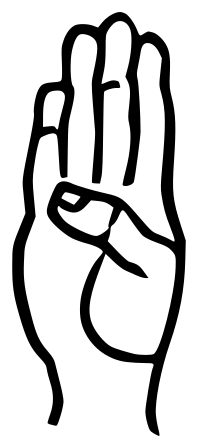
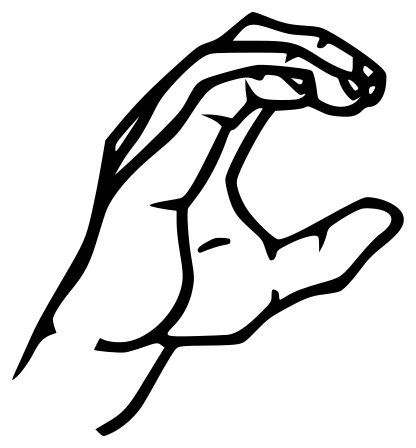
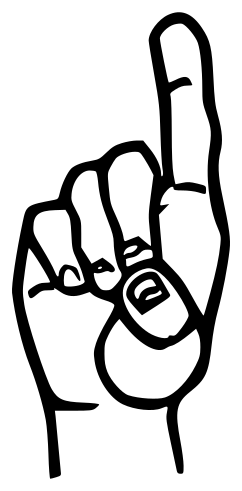
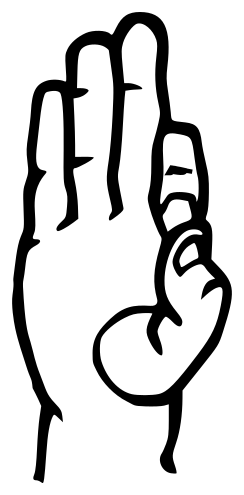
Day 1: A to F
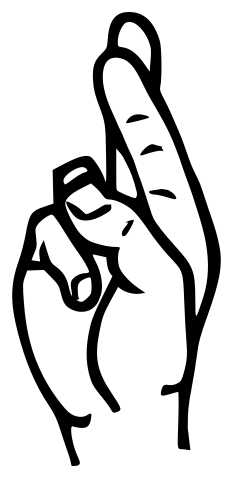
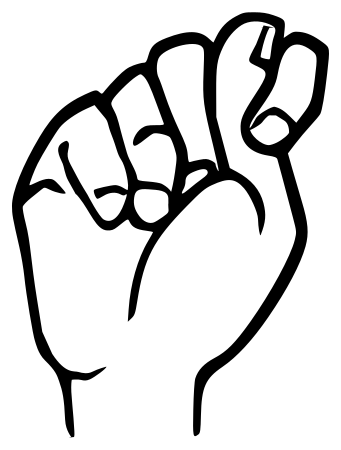
Six handshapes to start. B, C, D and F look like what they are; A and E are fists, so look closely at the thumb.
Practise day 1 -
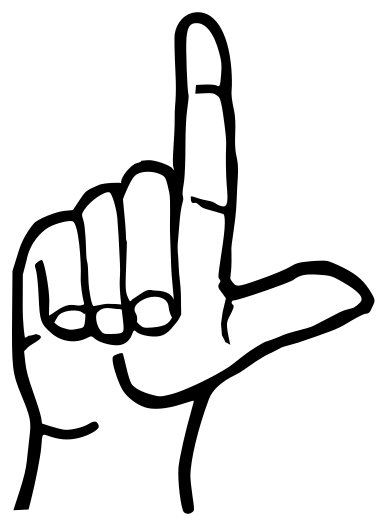
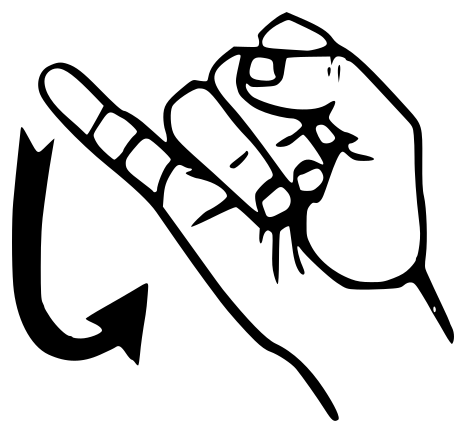
Day 2: G to L
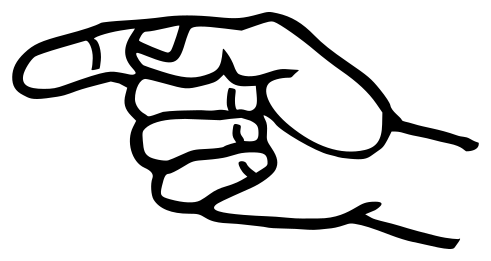
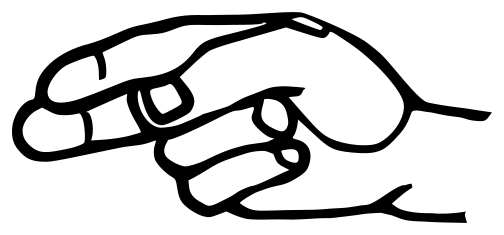
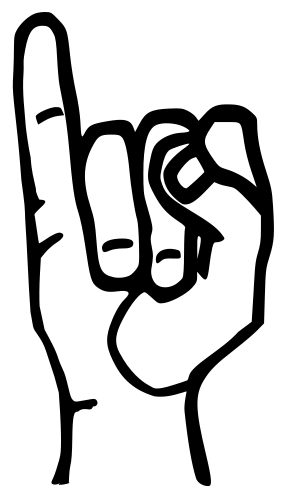
G and H point sideways, and J is your first moving letter: an I that draws a J in the air. Begin with a quick review of A–F.
Practise day 2 -
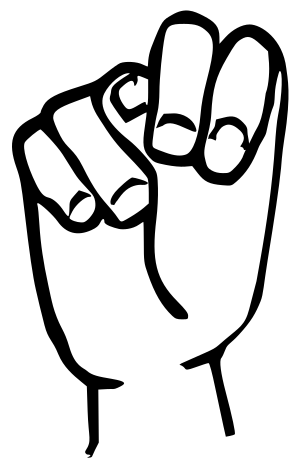
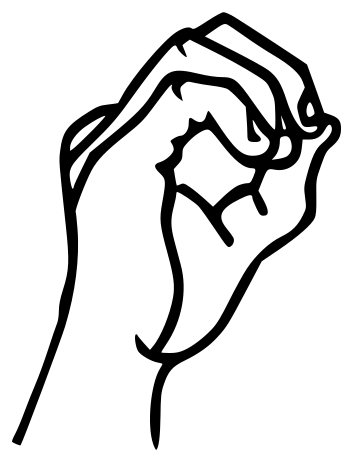
Day 3: M to R
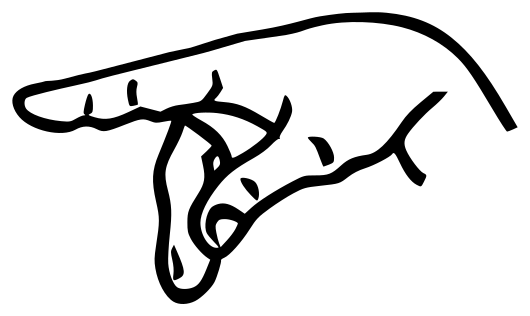
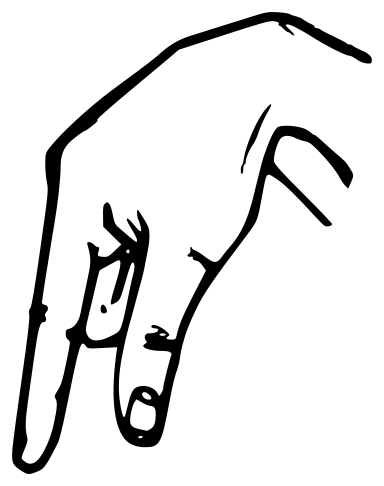
M and N tuck the thumb under three fingers or two. P and Q point down: they are K and G turned over.
Practise day 3 -
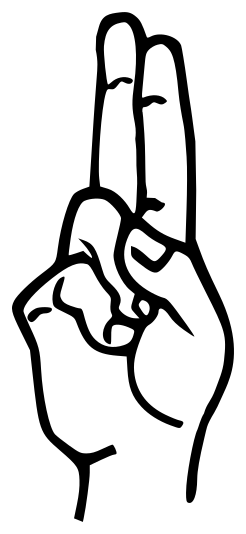
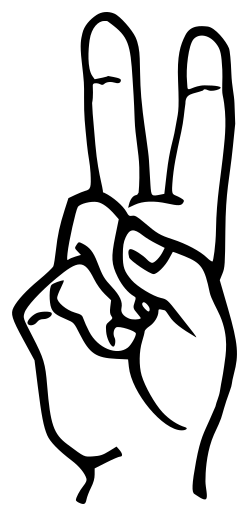
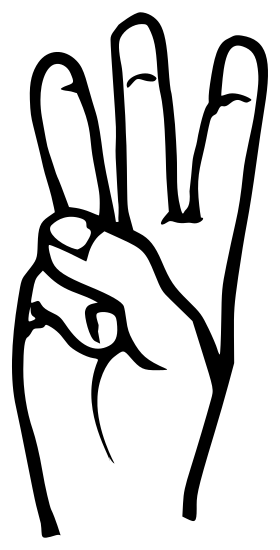
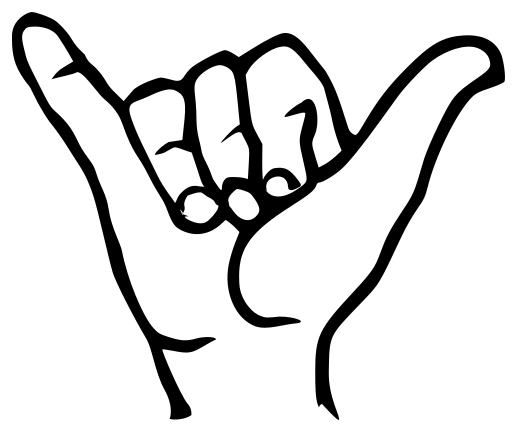
Day 4: S to Z
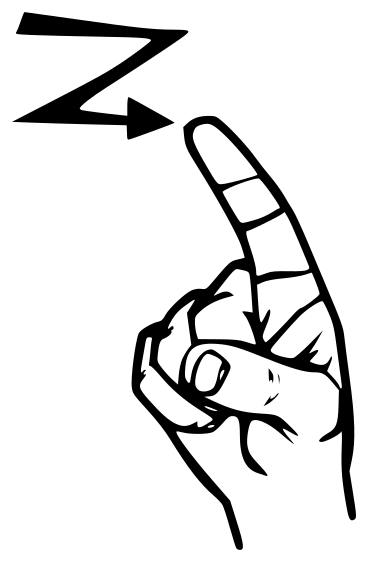
The last eight, ending with Z, which you draw in the air with your index finger. After today you have seen the whole alphabet.
Practise day 4 -
Day 5: The look-alikes
No new letters: today is for the handshapes people confuse. Read the difference on each letter page, take the quiz until you get 10 out of 10, and sign each fist letter to your camera.
-
Day 6: Short words
Spell whole words in one smooth movement, without dropping your hand between letters: HI, NO, OK, YES, BYE, CAT, DOG, MOM. Then try reading words spelled to you.
Practise day 6 -
Day 7: Your name
Names are what fingerspelling is used for most. Find yours on the names page, or spell it from the alphabet, and sign it until it flows. Then a few everyday words: HELLO, THANKS, PLEASE, SORRY.
Practise day 7





After the week
Keep going for five minutes a day. Each time you sign a letter from memory quickly, the wait before you see it again doubles, so the daily session stays short while the alphabet moves into long-term memory. Spelling and reading at speed take longer: give them a few minutes a day for a few months.
How long does it take to learn the ASL alphabet?
Recognising and making all 26 handshapes: about a week of short daily sessions, as above. Spelling words smoothly takes a few weeks more. Reading other people's fingerspelling at full speed is the hard part, and takes regular practice over months, ideally with Deaf signers.
Fingerspelling is one part of ASL, used for names, places and words without a sign of their own. To learn the language itself, look for a class taught by a Deaf teacher.